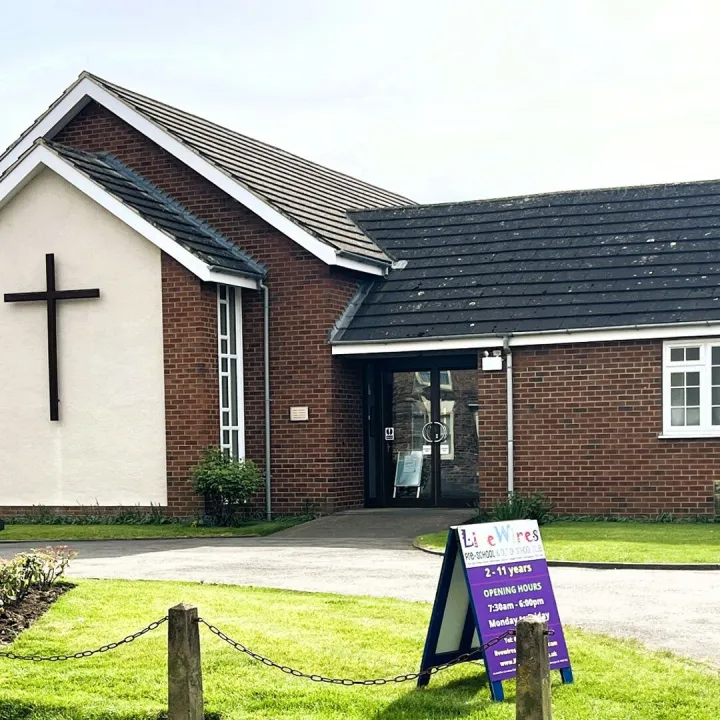
Easingwold Methodist Church has a rich history of faith and service in the heart of this rural market town, stretching back over 280 years.
Our journey began on 7 June 1744 when John Nelson, a Methodist local preacher, was marched into Easingwold on his way to forced military service in Sunderland. Born in Birstal, West Yorkshire, in 1707, Nelson, a mason by trade, faced such significant opposition to his Methodist preaching (led by alehouse keepers and Leeds clergy) that he was forcibly conscripted into the military.
In his diary for the day Nelson wrote, “We marched to Easingwold that day and, when we were drawn up in the street, the people perceived me to be the Methodist preacher they had read of in the newspapers. They told one another, and flocked about me, as if the soldiers had brought a monster into the town... When we had stayed near an hour in the street, I and five more were billeted at one house, where the people were so poor they had not six seats for us to sit on, nor any beds; so we came back to the officers’ quarters and they ordered four of us to another house.”
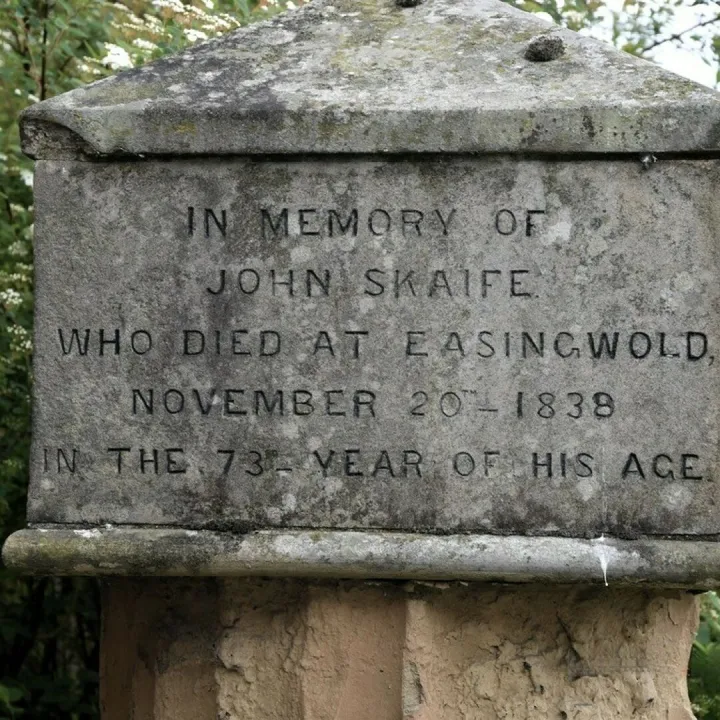
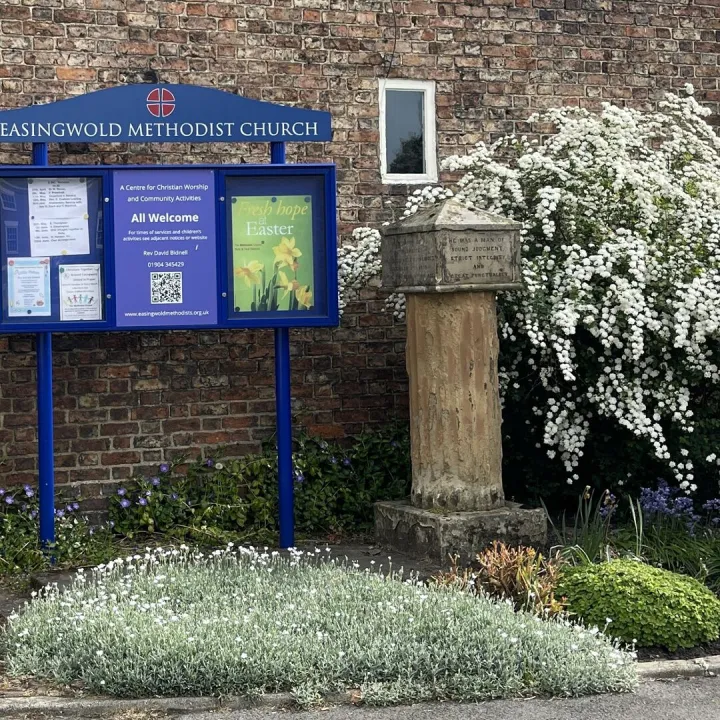
His brief yet impactful visit led to a small group of converts meeting at Blaydes Farm (on Stillington Road) and John Skaife (senior)'s home between 1744 and 1760, ultimately forming the first Methodist Society around 1764. These activities are still recognised today, with the former Primitive Methodist chapel in Spring Street bearing the name Blayds House, and there is a memorial stone to John Skaife (junior) in the grounds of the present Methodist chapel. The pillar is inscribed on three sides, one of which reads: “He was a man of sound judgment, strict integrity, and great punctuality”.
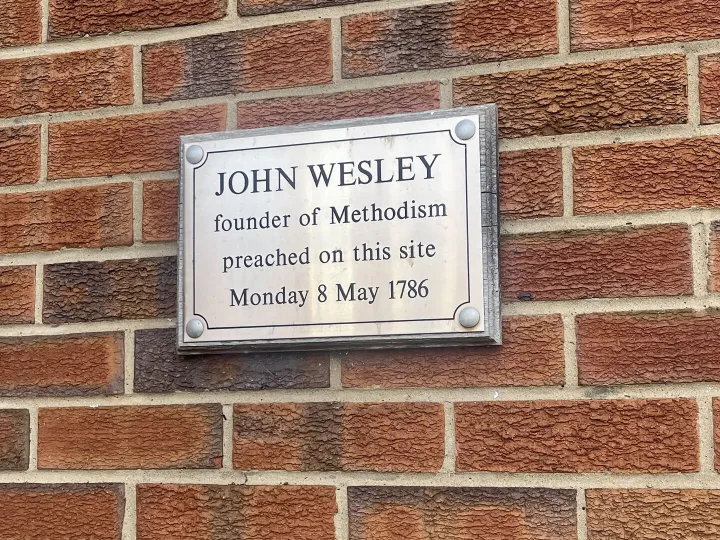
The first chapel was built in Easingwold in the 1780s, under John Skaife (junior), on garden land purchased from Long Street cottages (at a cost of £140). It is now the site of our current chapel which bears a plaque stating that “John Wesley, founder of Methodism, preached on this site, 8th May 1786.”
As Methodism grew, a second and larger chapel had to be built on the same site in 1815. This was followed by the acquisition of land for a Sunday School and vestry, and the establishment of a day school in 1859. (Yet more land was acquired in 1902.) The school continued to serve the community for over a century.
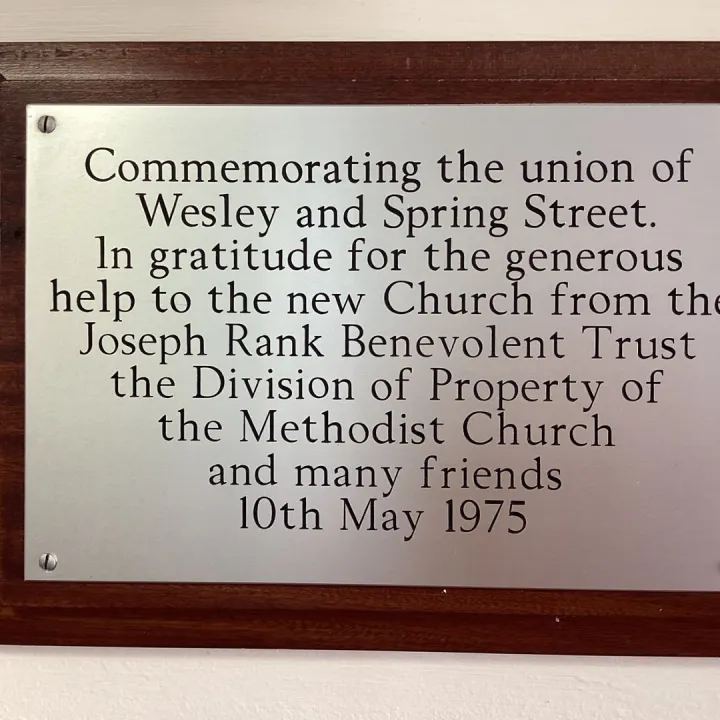
In the early 19th century, a new group known as the ‘Primitives’(as opposed to ‘Wesleyans’) emerged, creating their own chapel on Spring Street which was inaugurated in 1840. Despite the 1932 Deed of Union, which was a national attempt to reunite the various branches of the Methodist Church, the Methodists of Easingwold took time to embrace the change. It was not until 1969, with the passage of time and financial necessity, that a joint decision was taken to sell the Primitive chapel and demolish that of the Wesleyans’ so that a new combined chapel could be built on the Chapel Street site. (Even then, with some praise-worthy exceptions, it seemed that the ex-Wesleyans supported the morning service, while the ex-Primitives favoured the one in the evening!)
On 10 May 1975 the new chapel was opened – and this is the building that is here today.
Yet, our story is not solely about buildings; it is about the people. We are a church shaped by tradition, hospitality, and a steadfast commitment to pastoral care and community engagement. Through our regular worship services, outreach to local schools, room hire for community groups, and support for various charities, we continue to honour our Methodist calling, in a way that is deeply rooted in rural life and responsive to the needs of today.
We invite you, whether a lifelong resident or a visitor, to make our story a part of your own.